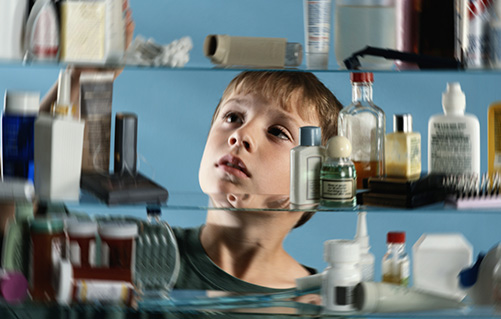
Poison control centers across the country get more than 2 million calls per year about potential exposure to poisons. Almost all of these exposures occur in the home and 80% of all poisonings affect children between the ages of 1 and 4.
Every year since 1961, National Poison Prevention Week has been observed during the third week of March. With that in mind, here are seven steps you can take to help protect you and your loved ones from being poisoned at home:
- Put all medications in your home in safe locations away and out of sight from children. This includes over-the-counter and prescription medications, vitamins and supplements. Safely dispose of expired or unneeded medication. Although you should make sure all medications are in child-resistant packaging, it’s important to remember that nothing is truly child-proof.
- Install and check carbon monoxide detectors in your home. Carbon monoxide is a colorless and odorless gas that can lead to severe illness and even death. Most carbon monoxide exposures occur during the winter months or during power outages. Change batteries when the time changes in the spring and fall.
- Be aware of small items that children can swallow, such as batteries, buttons, toys and game pieces. Keep small ingestible objects off the floor and out of reach of babies and toddlers.
- Make sure all cleaning and laundry products are stored in their original containers and in locations that are hard for children to reach. Label each product with the word Caution if possible.
- Keep all oil or lubricants, such as engine oil, fragrance oils, personal care products and hand sanitizers, in their original containers and store them in a safe area.
- Keep tobacco, e-cigarettes (liquid nicotine) and alcohol locked up in a cabinet or drawer to prevent use and abuse.
- To prevent food poisoning, when you have foods on the counter and you’re preparing a meal, keep raw meats, eggs and poultry in grocery bags separate from other items. Use a food thermometer to check whether meat is fully cooked and reaches the internal temperature required to kill harmful bacteria. Refrigerate leftovers within two hours to reduce the risk of bacterial growth. Consume or freeze within three to four days.
If you suspect you or a loved one has been poisoned by any items in your home, you should immediately call the Poison Help Line at 1 (800) 222-1222. Display this phone number in your home and at work in case of an emergency or if you have questions. You can also text “POISON” to 797979 to save the number in your mobile phone. Calls are free, confidential and answered by experts 24 hours a day, seven days a week. |